
Zombie Minecraft Skins
Browse Zombie Minecraft skins featuring teal undead tones, torn clothes, glowing eyes, and mob-inspired outfits. Download zombie skins for Java and Bedrock—perfect for survival roleplay, mob cosplay, and PvP factions.
125 skins total, page 1 of 3
The zombie is one of Minecraft's oldest hostile mobs, and zombie-themed player skins remain a staple for anyone who wants to look undead without giving up human proportions. The classic zombie palette—muted teal-green skin, indigo accents, and simple torn clothing—translates surprisingly well to player skins because it is readable from a distance and instantly tied to Minecraft's identity.
Zombie skins also scale well from faithful mob recreations to creative variants: armored undead, plague doctors, half-zombie hybrids, and neon "infected" designs for minigame servers. With a large number of uploads in community databases, players can be picky about shading, outfit storytelling, and whether the skin reads as "Minecraft zombie" versus a generic Hollywood zombie.
Browse 125 Zombie Minecraft Skins
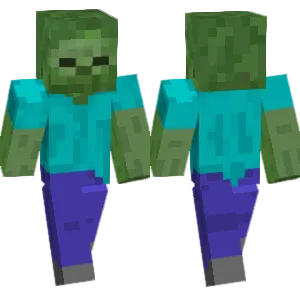
Zombie apocalypse minecraft rp
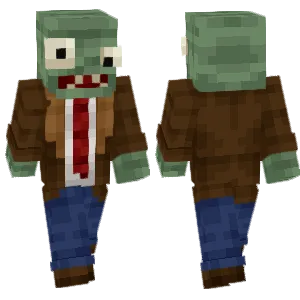
Plants Vs Zombies
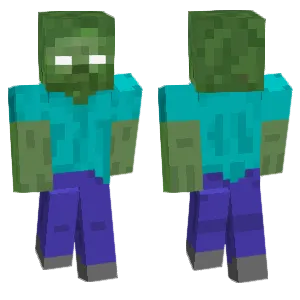
Zombie Apocalypse

Half Zombie Steve
![.zombie. /girl[Halloween24]](https://s.mcskins.org/snap/07/0766ceee-81eb-4efb-bafb-b3a2187179a6.webp)
.zombie. /girl[Halloween24]

Bitten by a zombie

war-torn zombie
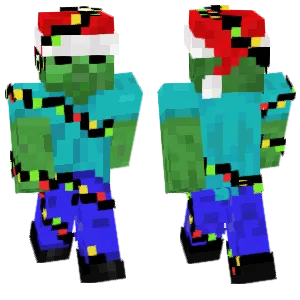
Christmas Zombie

Corrupted Zombie🧟♀️
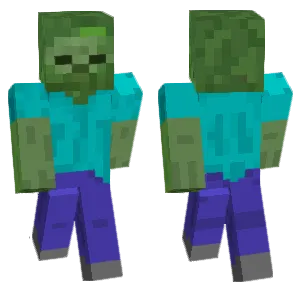

Zombie Steve

Fancy zombie

golden zombie

zombie girl .:.

Zombie HIM

Zombie Steve
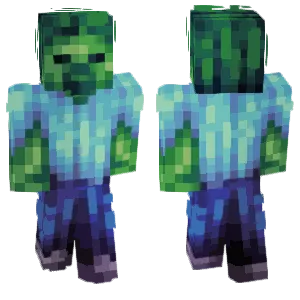
~ Zombie - rce ~
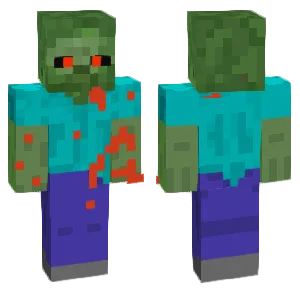
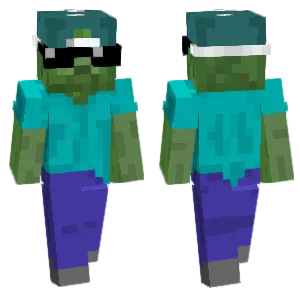
Da Super Cool Zombie

Zombie knight

Both were bitten by zombies

Zombie Survivalist
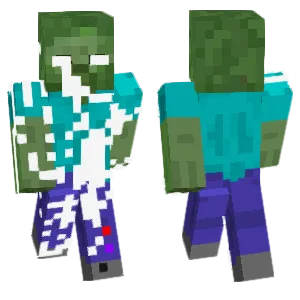
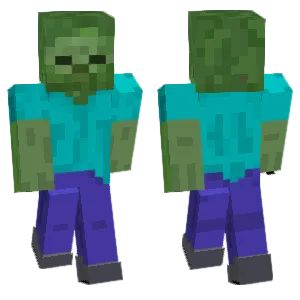
Zombie Apocalypse

Medieval zombie
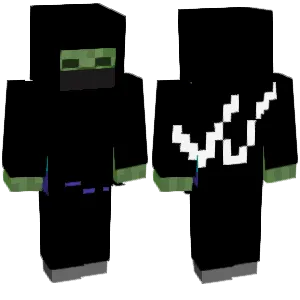
Jiahao Zombie
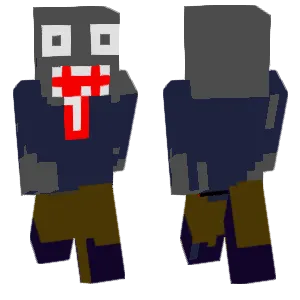
zombies

Bearded zombie
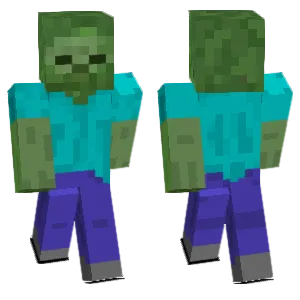
Zombie Apocalypse
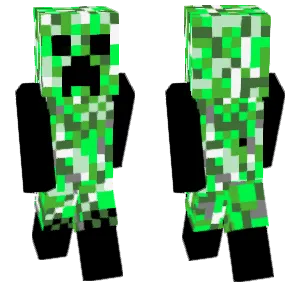

Zombie Chris
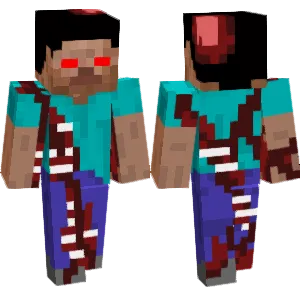
Zombie Steve
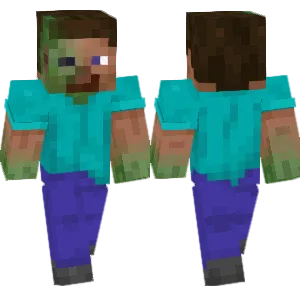
Half-Zombie Steve
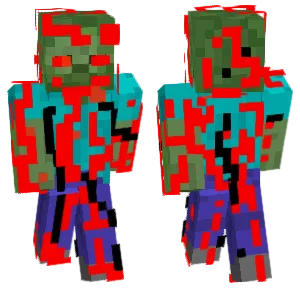
Red Zombie
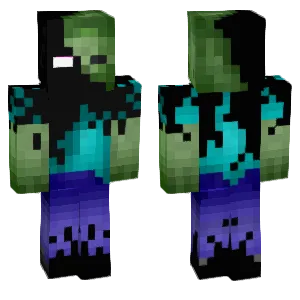
Ultimate Hatching Zombie NO
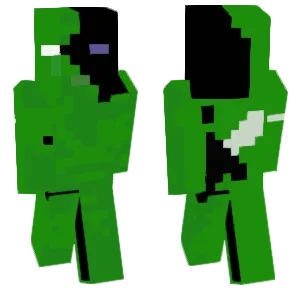
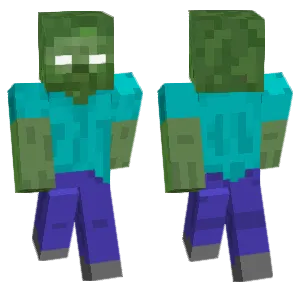
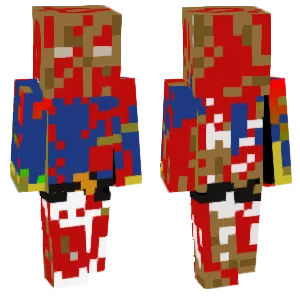
Zombie ①
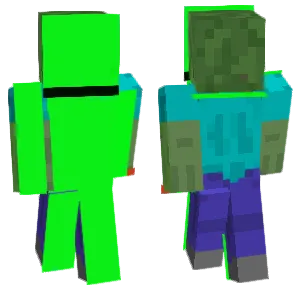
Zombie Apocalypse
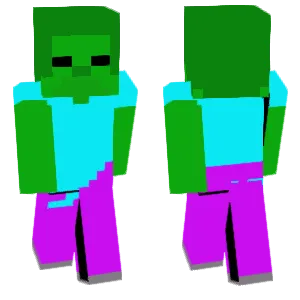
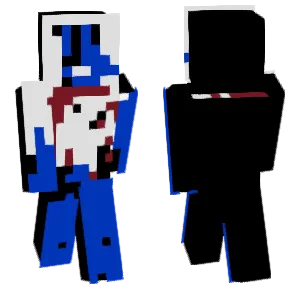
Plants vs. Zombies Official
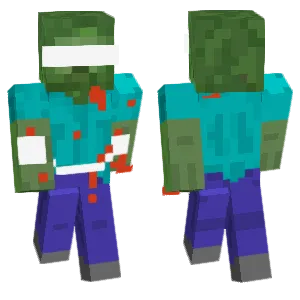
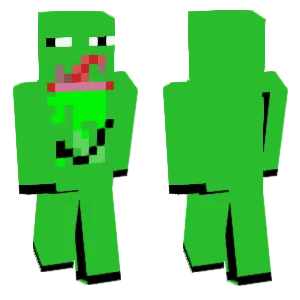
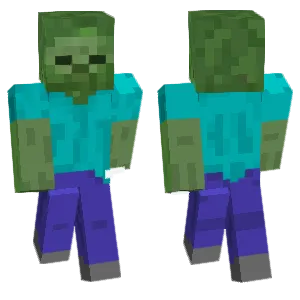
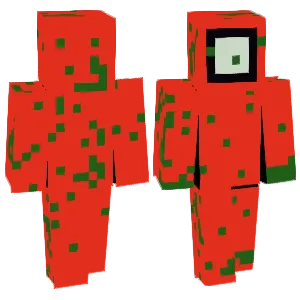
Zombie
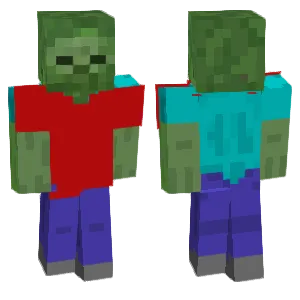

Christmas Zombie.
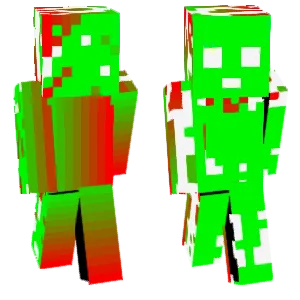
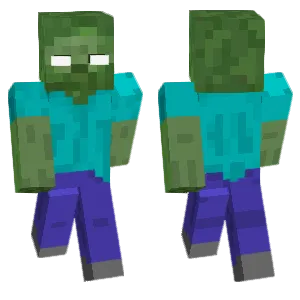
Zombie Apocalypse
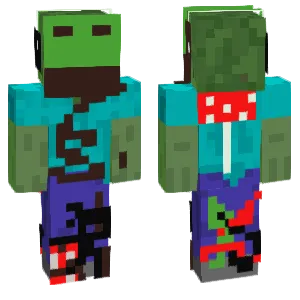
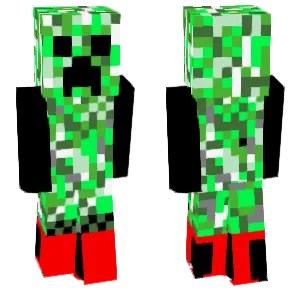
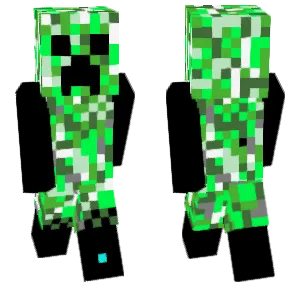
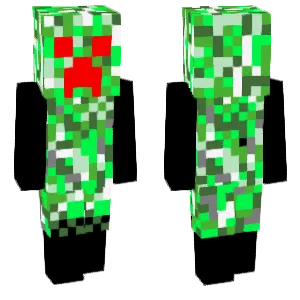
Zombie
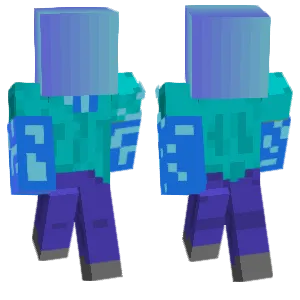
Tian Qing porcelain zombie
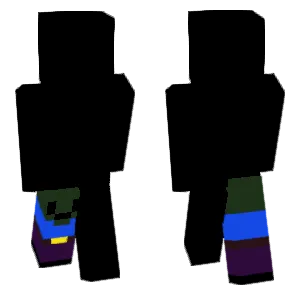
Zombie
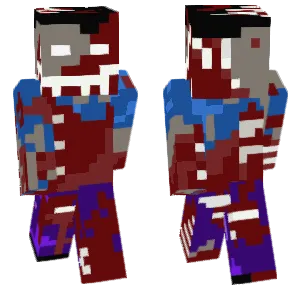
zombie
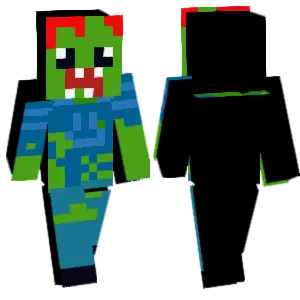
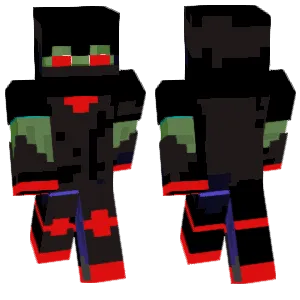
Him Fragmented Eye War God Zombie
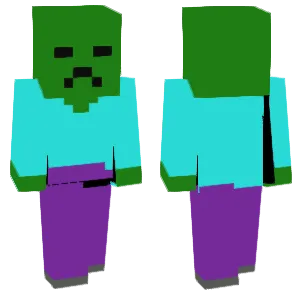
Zombie
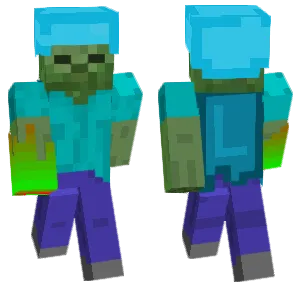
zombie++
What Makes a Good Minecraft Skin
High-quality zombie Minecraft skins usually nail a few recurring visual rules:
- Teal-Green Undead Skin Tone: Minecraft's zombie is not gray ash—it is a distinctive blue-green corpse color. Strong skins keep that hue recognizable while adding subtle shading so the limbs do not flatten into a single solid block.
- Indigo Shirt and Pants Accents: The mob's classic outfit is simple, but the indigo/dark blue areas help break up the body. Player skins often exaggerate tears, holes, or asymmetry here to imply decay.
- Eyes That Read as Hostile: Many zombie skins use empty white eyes (a nod to baby zombies and certain variants) or solid red eyes for an aggressive look. Either can work if the face still reads clearly at third-person camera distance.
- Torn Fabric Logic: Random noise rarely looks like clothing damage. Better designs tear hems at elbows and knees, fray collars, or expose one shoulder in a way that still wraps cleanly around the model seams.
- Mob Silhouette vs Human Silhouette: Decide early whether you are making a "human infected" or a "player wearing zombie cosplay." The best uploads commit to one approach so the silhouette matches the fantasy.
Popular Minecraft Skin Styles
Zombie skins tend to fall into recognizable buckets that match how players actually use them:
- Classic Mob Zombie: A straight translation of the zombie texture language onto the player model—great for parkour maps, mob arenas, and nostalgia servers.
- Infected Survivor: Keeps boots, belts, or scraps of armor to imply someone turned mid-adventure. Popular for roleplay where story beats matter.
- Hoodie / Casual Zombie: Modern clothes with zombie skin tones and wounds. Works well when you want undead vibes without full fantasy armor.
- Armored Undead: Chainmail or iron armor panels with rust, cracks, and exposed teal skin at joints. Common in PvP kits that want intimidation plus readability.
- Swamp / Drowned Adjacent: Darker greens, algae tones, or waterlogged fabric details. These variants feel at home in ocean or swamp biome builds.
- Cartoon / Cute Zombie: Oversized eyes, softer wounds, pastel greens. A lighter option for family-friendly servers that still want a zombie theme.
About Zombie
Zombies have existed in Minecraft since the earliest survival tests: slow, persistent threats that spawn in darkness and beat down doors on Hard difficulty. They are mechanically simple, but culturally huge—every player remembers their first night hearing groans outside a dirt hut.
That shared memory is why zombie skins stay evergreen. The mob is not a boss; it is a baseline symbol of Minecraft danger. Wearing a zombie skin is a playful way to say you are part of that baseline—whether you are roleplaying an outbreak, pretending to be an NPC in an adventure map, or just vibing with classic hostile mob aesthetics.
Over time, Minecraft added drowned, husks, and baby zombies, giving artists more references for variants. Even so, the classic overworld zombie remains the default mental image for most players, which keeps classic teal zombie skins in constant demand.
How to Choose the Best Minecraft Skin
When filtering a big list of zombie skins, prioritize these practical checks:
- Mob authenticity: If you want "classic Minecraft," compare the skin's greens and blues against screenshots of the actual mob. Too neon reads like a slime; too gray reads like a skeleton crossover.
- Face clarity: Zombie faces are often low-detail by design, but you still want eyes and mouth to resolve in motion. Blurry faces become mushy during sprint animations.
- Seam discipline: Inspect arm-torso connections. Torn clothing should not create accidental horizontal "cuts" that look like texture errors.
- Variant honesty: A drowned-inspired skin should read as waterlogged; a husk-inspired skin should read as dry desert undead. Mismatched naming and visuals frustrate downloaders.
- Server rules: Some servers discourage hyper-realistic gore. If you play on moderated communities, pick stylized wounds rather than explicit injury depictions.
- Uniqueness: Zombie is a crowded tag—look for a distinctive accessory (bandage wrap, gas mask, faction armband) so friends can spot you in a crowd.
Tips for Minecraft Skin Creators
For creators building zombie skins for public galleries:
Start with a mob reference sheet. Pull official textures or high-quality screenshots and sample colors instead of guessing from memory. Minecraft's zombie green is specific.
Shade in planes, not blobs. Use two-step shading on limbs (inner shadow + base) before adding tears. This keeps the body readable when the clothing gets busy.
Wounds need focal points. One strong "story" wound (exposed ribs implied by shading, a torn sleeve revealing teal skin) beats ten tiny scratches nobody can see in-game.
Eyes: pick a rule and commit. Empty eyes, red eyes, or rare "human" eyes each imply different lore. Mixing styles on one face often looks like a mistake.
Backpack space matters. Many players use capes or Elytra—keep the upper back from overly noisy gore so cosmetics do not clash.
Test under night lighting. Zombies live in darkness. If your skin only looks good at noon, tweak highlights so it still pops under moonlight.