
Spider Minecraft Skins
Browse Spider Minecraft skins inspired by Minecraft's classic cave crawler—red eyes, fuzzy legs, and creepy-cute variants. Download spider mob skins and hybrid designs for Java and Bedrock, PvP, and adventure maps.
122 skins total, page 3 of 3
Minecraft's Spider is one of the game's oldest hostile mobs: a low, wide silhouette that skitters across cave ceilings and drops on unwary miners. Spider-themed player skins translate that identity onto the humanoid player model with fuzzy leg panels, high-contrast red eyes, and sometimes a second "eye pair" on the torso to mimic the mob's unsettling stare.
Because the catalog for this topic is large—well over a hundred community uploads—you will see everything from faithful eight-leg illusions to stylized "spider hoodie" humans. The through-line is motion-friendly contrast: spiders read from a distance because of dark hairy texture against stone-gray highlights and those unmistakable glowing eyes.
Browse 122 Spider Minecraft Skins
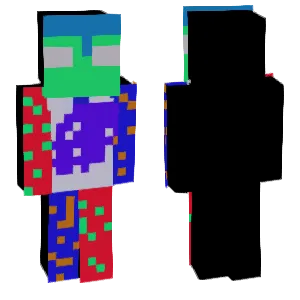
Spider
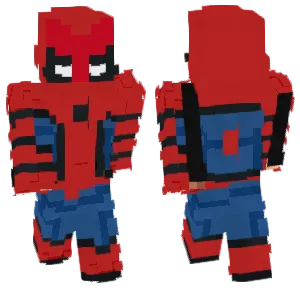
Spider Man
What Makes a Good Minecraft Skin
Strong spider Minecraft skins usually lean on a few repeatable visual tricks:
- Red Eye Anchor: The mob's eyes are the fastest identifier. On player skins, twin bright red pixels (or a tight cluster) on the face texture sell the concept even when the rest of the body is human clothing.
- Leg Illusion on Limbs: Artists often paint darker "segments" down the outer arms and legs with occasional joint highlights to suggest extra legs wrapping the silhouette—subtle enough to stay readable while walking.
- Fuzzy Noise Texture: Short, high-frequency dark strokes on brown or charcoal bases mimic hair without turning the skin into mud at third-person scale.
- Cephalothorax Shading: A slightly lighter "mask" across the upper chest and shoulders can echo the spider's fused head-body shape while still fitting the human UV map.
- Cave Palette Discipline: Deep brown, gray-brown, and near-black shadows keep the skin grounded in Minecraft cave fantasy rather than neon sci-fi spider aesthetics—unless that variant is intentional.
Popular Minecraft Skin Styles
Spider skins cluster into recognizable archetypes:
- Classic Cave Spider Look: Compact dark body, aggressive red eyes, and leg-like striping on limbs—great for horror maps and minigames where players want an obvious mob cosplay.
- Spider Hoodie / Fan Human: A human character wearing a hoodie printed with eyes and fangs; the mob identity shows on the hood while the outfit stays casual and versatile.
- Cute / Chibi Spider: Rounder eyes, softer browns, pastel accents—popular with younger players who want spooky-cozy rather than pure creep factor.
- Hybrid Arachnid Warrior: Armor plates fused with bristle texture and extra painted "arms" on the back layer—common on PvP servers where players want intimidation plus mob flavor.
- Jumper / Leaper Theming: Some designs exaggerate springy leg shading or add green/teal accents to nod at real-world jumping spiders without copying any specific trademarked character.
About Spider
Spiders in Minecraft have been part of surface and underground danger since early survival iterations. They are unique among common hostiles for their climbing behavior and eye shine in darkness—two traits that make them memorable in both gameplay clips and skin art references.
Because spiders are so recognizable, the skin niche benefits from a simple silhouette rule: if the eyes pop and the body reads as hairy-dark mass, the rest of the detail can stay restrained. That is why many of the most-downloaded spider skins are not hyper-detailed—they are legible in motion and under compression.
Community uploads also borrow language from cave exploration culture: torch spacing jokes, mineshaft fear, and "something dropped from the ceiling" memes. Spider skins often signal that a player enjoys caving, likes horror-adjacent cosmetics, or wants a mob costume that still feels distinctly Minecraft rather than generic fantasy.
How to Choose the Best Minecraft Skin
Use these checks when picking a spider skin from a big list:
- Eye contrast at distance: Shrink the preview—if the red eyes disappear, the skin may read as "brown monster" instead of spider.
- Seam crawl test: Fuzzy noise textures often break at arm-torso seams; rotate the model and look for accidental straight lines that cut across fur direction.
- Leg segment readability: During a walk cycle, limb striping should still suggest segments rather than smearing into one brown tube.
- Variant honesty: If you want hoodie-casual, avoid ultra-grotesque face paint that fights the outfit; if you want full mob, avoid tiny human accessories that clutter the fuzzy read.
- Helmet compatibility: If you wear opaque helmets often, confirm you still like the torso/back identity without the face eyes visible.
- Lighting bias: Very dark skins can look amazing in previews but flatten in bright biomes—check previews with both cave-like and desert-like backgrounds if the tool allows.
Tips for Minecraft Skin Creators
For creators targeting spider downloads:
Lock the eyes first. Decide pixel-perfect placement for the red glow, then build the face around it—eyes are the brand.
Limit your brown ramp. Two browns plus a near-black shadow and one highlight usually outperform a noisy eight-color fur attempt.
Paint fur directionally. Short strokes that follow limb length reduce seam artifacts compared to random static.
Use the outer layer for subtle depth. A few outer-layer bristle pixels on shoulders can sell volume without covering the whole skin in thickness.
Name the subtype in the title. "Cave spider," "cute spider," and "hoodie spider" attract different players—clear naming reduces mismatched installs.
Test under movement. Spiders are about skitter energy; if stripes strobe awkwardly while sprinting, simplify segment spacing.