Null Minecraft Skins
Browse Null Minecraft skins inspired by the creepypasta figure linked to glitches, empty worlds, and unsettling single-player stories. Download high-quality Null skins with dark palettes, corrupted details, and horror-ready designs for Java and Bedrock.
315 skins total, page 6 of 6
Null is a fan-made Minecraft creepypasta figure that sits alongside Herobrine in community horror lore—a presence tied to broken saves, missing textures, and the uncomfortable feeling that the world is not quite rendering correctly. Null skins lean into that unease with dark silhouettes, hollow eyes, and designs that feel like a corrupted default player rather than a flashy monster costume.
Because Null is not an official mob, skin creators have a lot of room to interpret the legend while still hitting recognizable horror beats. That freedom, combined with a huge catalog of community uploads, makes Null one of the most searched creepypasta-inspired looks for players who want spooky roleplay, horror maps, or a skin that reads as "something went wrong" from across a lobby.
Browse 315 Null Minecraft Skins

null(红眼特效
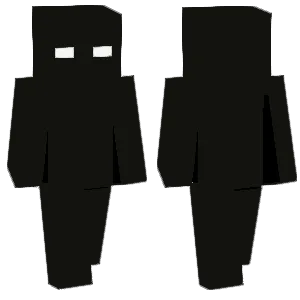
Null
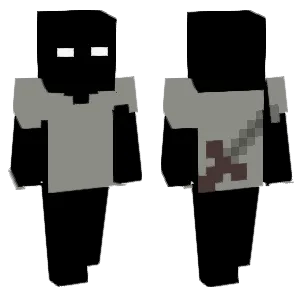
null
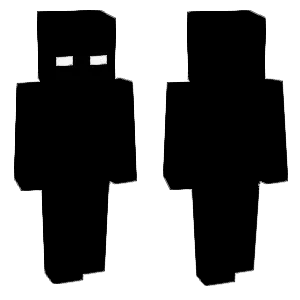
Null
Herobrine
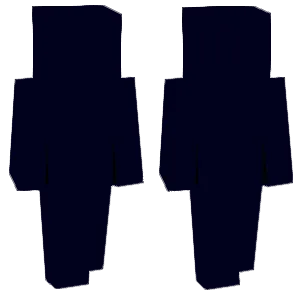
Null
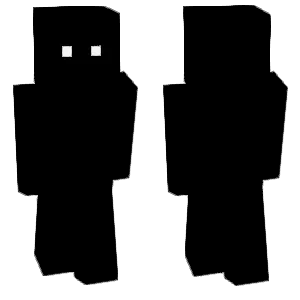
null

NULL
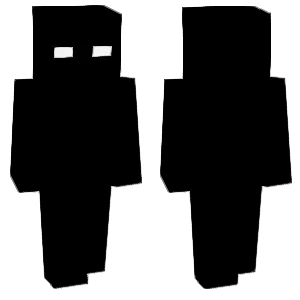
null
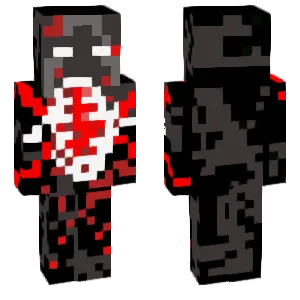
破败的Null
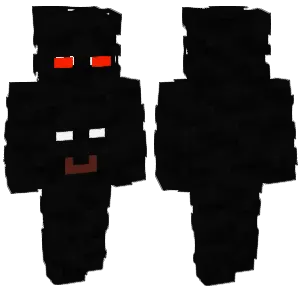
NULL
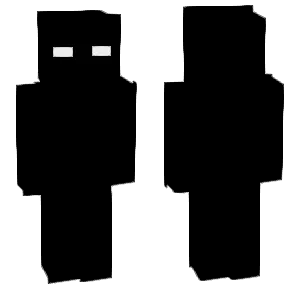
null

水火null
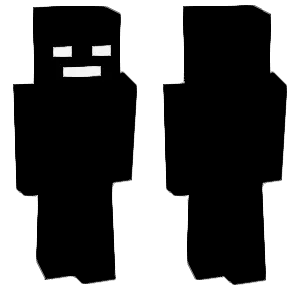
Null
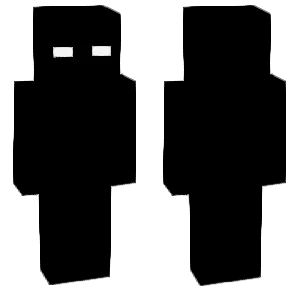
低配版null

null
What Makes a Good Minecraft Skin
Strong Null Minecraft skins usually communicate emptiness, corruption, or wrongness without relying on gore:
- Dark or Desaturated Base: Many Null designs use near-black clothing, deep gray, or heavily desaturated blues to suggest a figure that does not belong in normal daylight biomes. Contrast is controlled so the face and eyes remain the focal point.
- Hollow or Missing Eyes: A common motif is empty sockets, single-color eyes, or eyes that look "erased" compared to Steve or Alex. Some skins use subtle vertical streaks or noise pixels to imply a glitch rather than a clean cartoon eye shape.
- Steve-Like Silhouette with Wrong Details: Like Herobrine, Null often borrows the default player outline so the horror reads as "almost familiar." Small wrongness—uneven sleeves, backwards color bands, or a mouth that is too straight—does more work than a completely original outfit.
- Glitch Accents: Thin horizontal lines, duplicated pixels, or abrupt color jumps can suggest a texture that failed to load. The best versions keep these accents sparse so they read as intentional corruption, not random noise.
- Readable at Distance: Creepypasta skins need to work in third person. If the face disappears into the torso colors when zoomed out, the concept collapses. Good Null skins reserve the brightest or highest-contrast pixels for the head.
Popular Minecraft Skin Styles
Null skins cluster into a few recurring creative directions players actually search for:
- Classic "Empty Player" Null: A dark humanoid with minimal facial features and a void-like gaze. This is the closest analogue to "default gone wrong" and pairs well with single-player horror roleplay.
- Corrupted Steve Hybrid: Starts from Steve colors but desaturates them, adds cracks, static, or inverted highlights. Great for players who want the uncanny overlap with default Minecraft identity.
- Shadow / Silhouette Null: Almost entirely black with only eyes or a faint mouth visible. Simple, readable, and effective on bright servers where you want instant creep factor.
- Nether / Obsidian Themed: Uses deep purple-red accents or obsidian-like bands to tie Null into late-game Minecraft visuals without copying an official mob silhouette.
- Cross-Lore Mashups: Designs that nod to Herobrine, End, or enderman palettes while still labeling themselves as Null. These appeal to players who treat creepypasta as one shared universe.
- Minimalist Glitch: A cleaner skin with one or two "broken" seams—subtle enough for everyday play, but unsettling when someone inspects you up close.
About Null
Null emerged from the same broad era of Minecraft creepypasta storytelling that turned single-player worlds into backdrops for staged "evidence" posts, edited screenshots, and ARG-style videos. Unlike a named official character, Null is more of a community label for an antagonist that represents absence, errors, and the fear that your save is not fully under your control.
The name itself signals programming and data culture: "null" is what you get when something is undefined. Translating that idea into Minecraft horror is easy for fans to understand—a figure that should not exist, or that exists only because something failed. That conceptual hook is why Null remains popular even as specific forum threads fade: it maps cleanly onto how players already talk about bugs, chunk errors, and weird world generation.
On skin sites, Null also benefits from being short and memorable as a search term. Players type it when they want a serious horror skin that is not quite Herobrine, not quite an enderman cosplay, but still unmistakably part of Minecraft's fan-made nightmare canon.
How to Choose the Best Minecraft Skin
Use this checklist when picking a Null skin from a large library:
- Face first: Decide if you want hollow eyes, single-color eyes, or a partially hidden face. The eyes should still read clearly on the 64x64 template when viewed at default UI zoom.
- Contrast discipline: If the whole skin is black-on-black, you will disappear in caves—which can be fun, but annoying for friends. Pick a version that keeps at least one readable edge or highlight on the limbs.
- Lore intent: A "glitch" Null should look slightly wrong at seams; a "void" Null should look unnaturally clean. Mixing both without a plan can look accidental rather than scary.
- Animation readability: Rotate the preview and imagine sprinting. Arms that are too noisy with static patterns can look messy in motion.
- Server tone: On kid-friendly servers, choose subtler designs without faux blood or extreme body horror. Many Null skins stay creepy through emptiness alone.
- Uniqueness: Because Null is a broad concept, duplicate uploads are common. Prefer skins with a clear silhouette hook—distinct hood shape, shoulder stripe, or back symbol—so you do not blend in with ten other void players.
Tips for Minecraft Skin Creators
For skin artists targeting the Null niche:
Anchor the head. Spend disproportionate time on the 8x8 face zone. Null lives or dies on whether the gaze feels empty or glitched within a handful of pixels.
Limit your palette. Pick 4–6 colors max: a near-black, one mid-gray, one accent (muted blue, purple, or sick green), skin tone or gray skin, and a single highlight. Horror reads cleaner with restraint.
Use "wrongness" on purpose. Mirror a stripe incorrectly, break symmetry on one sleeve only, or shift a belt line by one pixel. Small asymmetry sells corruption better than covering the torso in noise.
Glitch lines need rhythm. If you add horizontal scanlines, keep spacing consistent and break them at natural seams (waist, shoulders) so the body still reads as a humanoid.
Test in dark and bright biomes. Null skins often look amazing in the void and unreadable in a desert. Adjust highlights until the head remains visible in full sunlight.
Name clarity in uploads. Many players search "null" literally—use clear titles and tags so your work surfaces next to similar creepypasta skins without being mistaken for unrelated content.